Lowell F. Volk

Lowell F. Volk is a native of Minnesota, author of Historical Fiction, 2014 Pen Award from Rocky Mountain Fiction Writers, member of Western Writers of America,
Lowell has a BS from California Lutheran in computer science and an MBA from the University Of La Verne. He is retired from General Dynamics, where he was a Manager of Software Engineers, which required extensive travel both in the USA and overseas. In addition, Lowell is a former Deputy Sheriff of Montezuma County, Colorado. He now enjoys writing books.
Lowell retired in 2004, and is living in Pleasant View, Colorado. Lowell and his wife, Mary Lou, have five children: Terri (deceased), Scott, Paula, Lowell Jr., and Kathy.
Pen award in 2014 from Rocky Mountain Fiction Writers.

Latest Book to Soon be released
Released May 13, 2026
The Early Days of Silverton
Colorado History of a Gold Rush Town
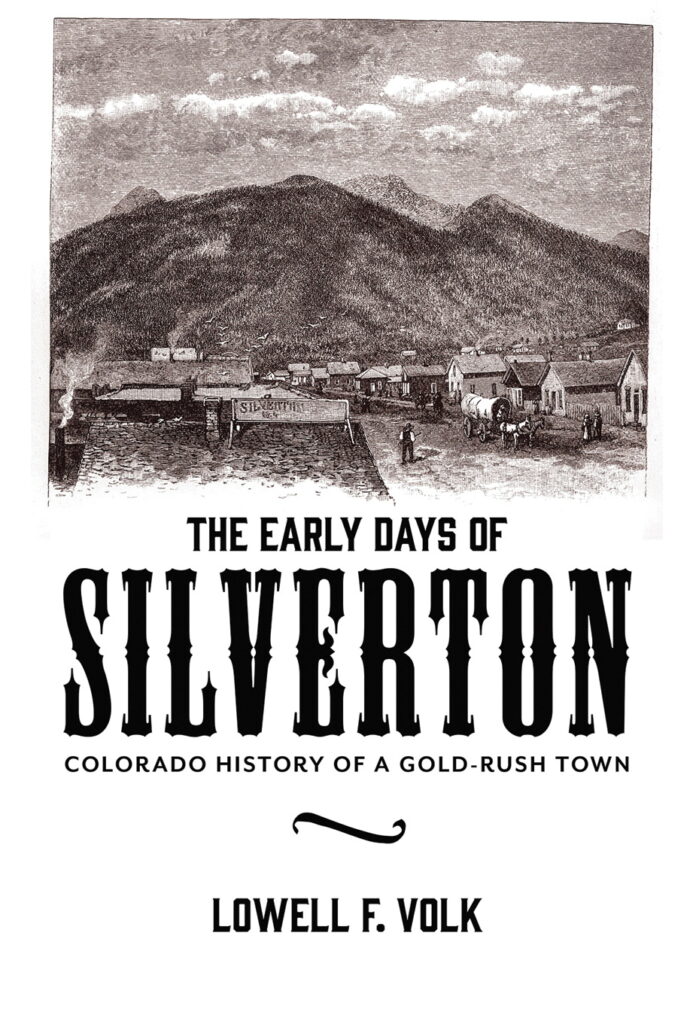
My wife and I have traveled to Silverton by train and by car and stayed to study the area. After talking with the local people, I decided to look more closely at what drew them there. While there, I spent two days at the Historical Society gathering information. My book begins with a prologue in the 1500s and 1600s, with the Spanish entering the Americas amid rumors that gold and silver could be found in a mythical place called Quivira and its Seven Cities of Cibola. It continued into the 1700s and early 1800s among fur trappers. In chapter 1, I enter Bakers Park, named after Charles Baker, who first ventured into the area now known as Silverton in 1860, searching for gold. It follows Baker as he tries to develop the area and bring people there, even though it still belongs to the Ute Indians until 1862, when they leave to fight in the Civil War. Prospectors returned in 1867, this time to stay. My book contains letters covering events, a diary of a family who traveled into the area, and treaties showing how the land was taken from the Utes as they were pushed back to the southwest corner of today’s Colorado. I have also included pictures and maps showing what the area is like today and in the past, covering mines, equipment towns, and railroads.